
Dry Freight (Dry Van)
Dry van is the most common mode for general freight—palletized inventory, distribution moves, and manufacturing shipments. We source the right capacity, coordinate dispatch details, and keep communication consistent from pickup to delivery.
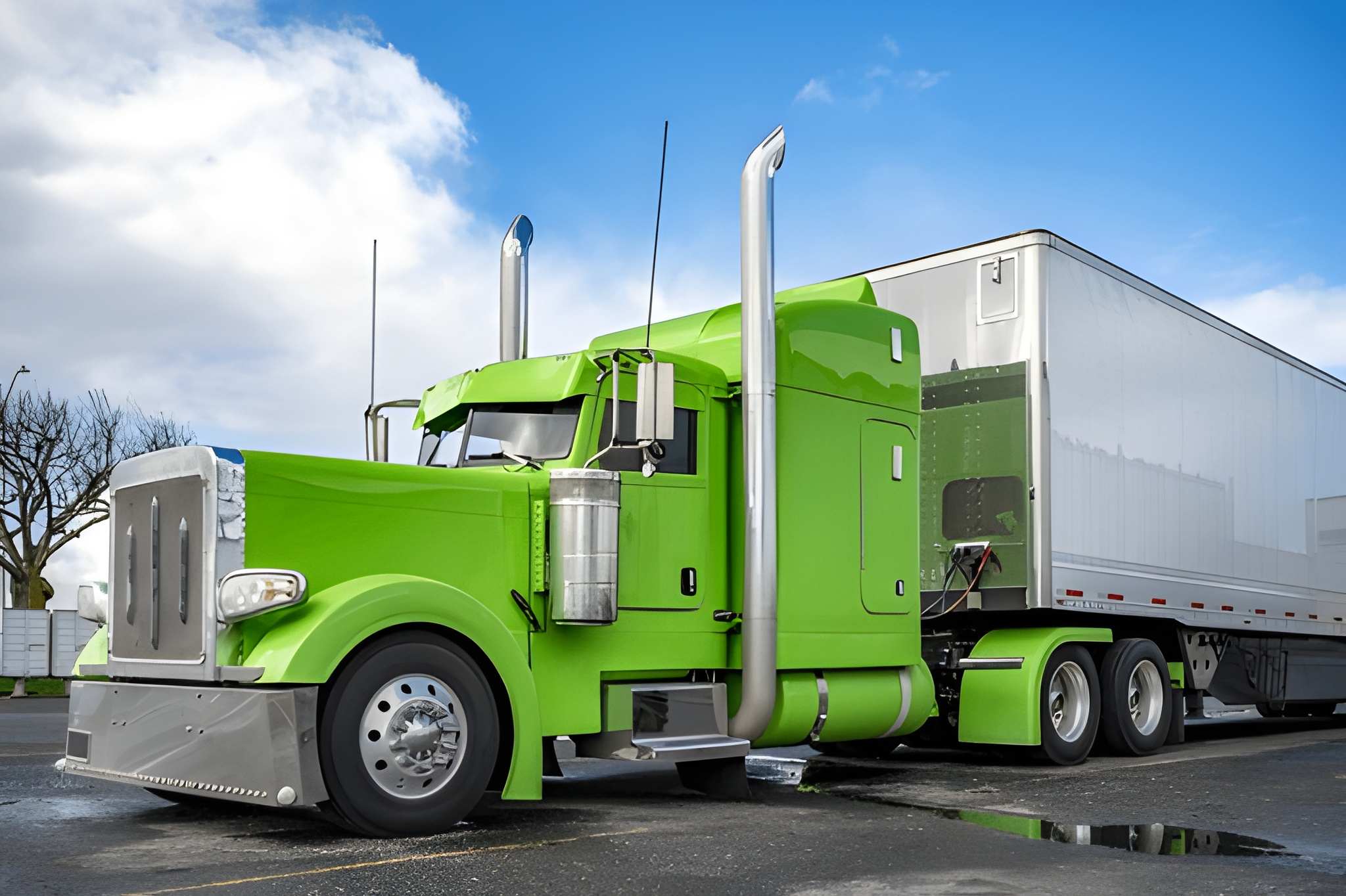
Dry Van
Dry van is the most common mode for general freight—palletized inventory, distribution moves, and manufacturing shipments. We source the right capacity, coordinate dispatch details, and keep communication consistent from pickup to delivery.
We confirm inputs before quoting so rates don’t change later due to missing details.
Accessorials, site constraints, and service level are identified early.
Dry van shipments run into issues when timing, site rules, or requirements aren’t aligned upfront.
That’s how detention stacks up, appointments slip, and teams waste time chasing updates.
We confirm constraints early, match the right capacity, and support communication through delivery.
How We Prevent Dry Van Issues
Confirm the inputs early so the plan holds up when the shipment is in motion.
Shipper Checklist (Dry Van)
- Share origin/destination ZIPs and pickup timing
- Confirm commodity and weight
- Provide loading method (dock/live/drop) and site rules
- List appointment requirements and references (PO/BOL)
- Share contacts for pickup/delivery
Pro tip: If dimensions are unknown, send photos + pallet footprint. We’ll help estimate.
Pricing Drivers Explained (with Examples)
Dry van pricing is influenced by lane demand, timing, capacity availability, and accessorial requirements.
Note: Charges may change if shipment details or accessorial needs differ from what was provided.
FAQs
Fast answers to the most common questions shippers ask before getting started.
What types of freight move in a dry van?+
Do you handle drop-and-hook?+
Can you handle high-volume lanes?+
Do you provide shipment updates?+
What details help you quote faster?+
Can you move freight nationwide?+
Get a broker-reviewed quote.
Share your lane and shipment details. We’ll respond with clear assumptions, equipment fit, and next steps.
Explore services or go straight to request a quote.